Swaging is fundamentally a metal shaping technique that reduces rod, wire, or tube. Tube swaging is the process of fitting tubes together by changing the tube’s diameter at the pipe’s end. Long lengths of cable, rod, or tube are fed through the water while reducing or swaging. As a result, the material is shortened from end to end during the process, resulting in a lower overall diameter and the desired tensile strength. A series of hammer blows are used to shape the object instead of other techniques. This process of chip–less metal shaping is effective for producing goods with little material waste. It is a cost–effective way for redrawing metal wire, rod, and tubing. Read More…
For 80 years Burr OAK Tool Inc. has delivered machines, tools, and expertise to the world's heat exchange manufacturers and tube processing industries. Burr OAK Tool Inc. designs and produces high quality fin dies, fin lines, tube expanders, tube cutoff machines, tube bending equipment, and coil forming units for companies in more than 75 countries.
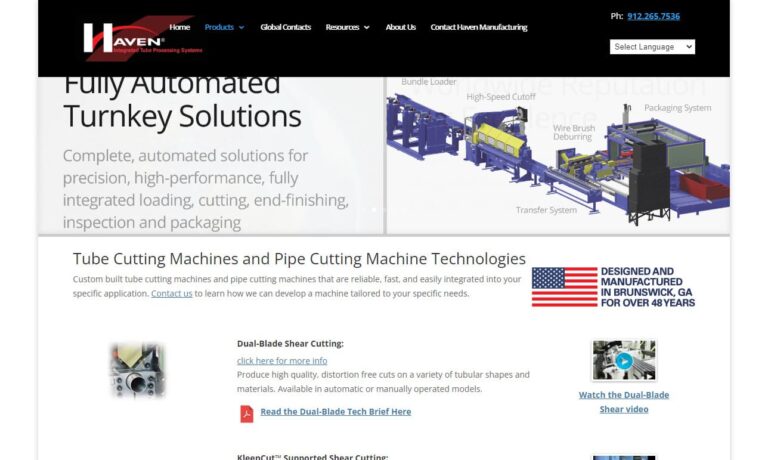
For over 50 years, Haven Manufacturing Corporation has built a solid reputation as the productivity leader in the tube recutting industry. As our business continues to grow, we have kept the focus on providing new cost-effective machinery and total solutions that increase output without adding additional labor resources. You can trust Haven to provide fully integrated solutions to meet all of...
Universal Tube & Rollform Equipment Corp is your trusted ally in the realm of tube forming machines. Partner with us to experience a seamless integration of quality products, personalized services, and cutting-edge capabilities that redefine excellence in manufacturing solutions. Together, we can elevate your projects to new heights, ensuring that your tube forming components are not just parts...




More Tube Swaging Machine Manufacturers
Metal pieces can also be sized, reduced, shaped, tapered, bonded, or formed using this process. Tube ends can be flanged, flared, slotted, notched, flattened, or punched. Several types of tube swaging machines are rotary swaggers, long die swaggers, and pipe flaring devices. Metal tubes composed of several metals, such as steel, aluminum, brass, copper, titanium, and stainless steel, are swaged using machinery.
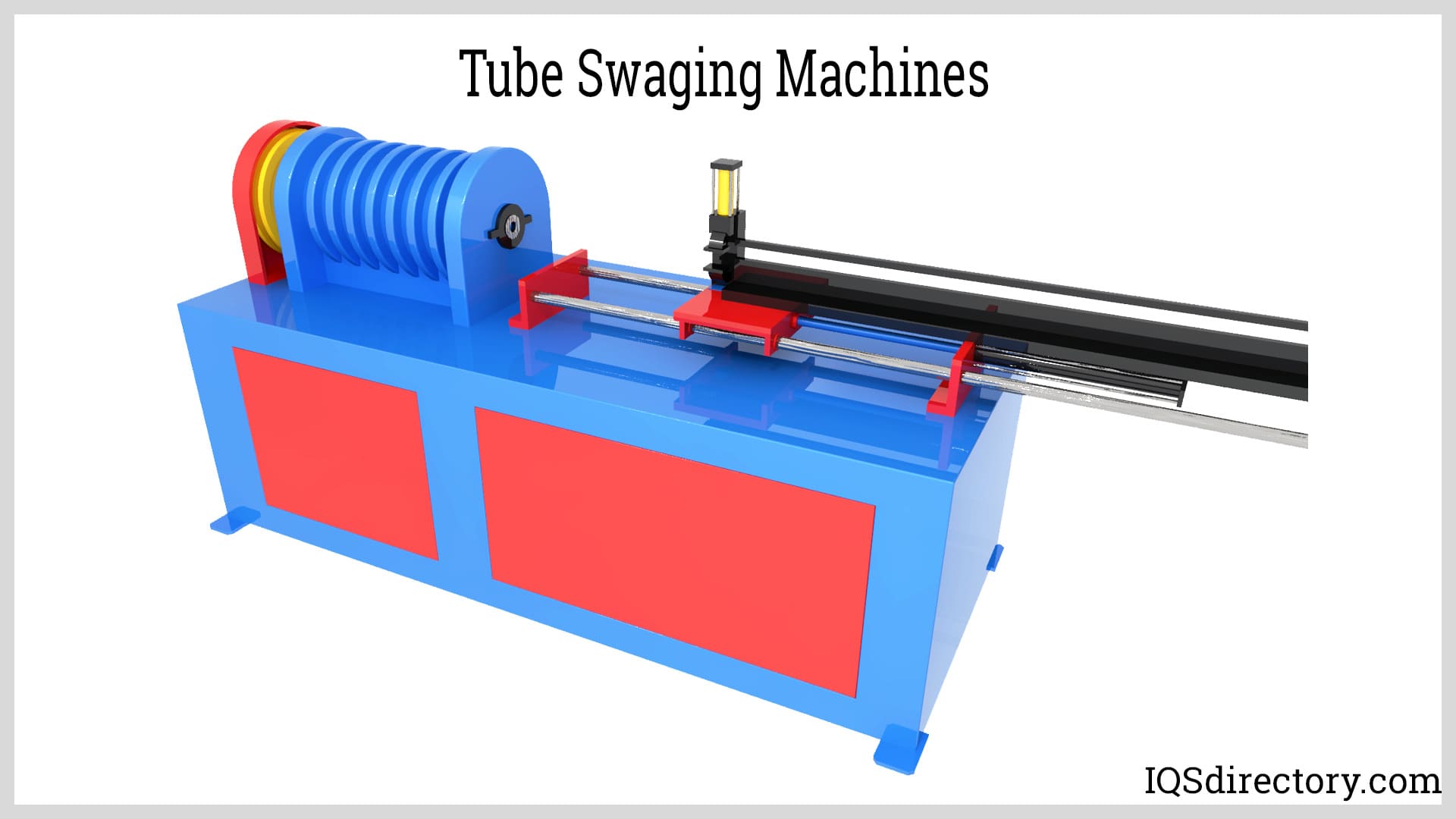
Comprehensive Guide to Tube Swaging Machines
Tube swaging machines are essential equipment used in metal forming, tube fabrication, and pipe processing industries. These machines are designed to alter the diameter, shape, and end-forms of metal tubes and rods, enabling manufacturers to achieve precise tolerances, complex geometries, and enhanced mechanical properties. Whether you are searching for information on how tube swaging machines work, comparing leading tube swaging machine manufacturers, or evaluating the benefits of swaging for your production line, this guide provides an in-depth overview to help you make informed decisions. If you're looking to optimize your tube fabrication process, reduce production costs, and achieve superior results in metalworking, read on to discover how tube swaging equipment can transform your operations.
What is Tube Swaging?
Tube swaging, also known as rotary swaging or tube end forming, is a cold-working metal forming process that reduces, reshapes, or configures the diameter of metal tubes by hammering or pressing the material around a die. This process can be used to create a wide range of tube end forms, such as flared, tapered, beaded, slotted, or threaded ends, without removing material. Swaging increases structural integrity and provides a smooth, high-quality finish, making it a preferred choice for industries demanding tight tolerances and reliable performance.
Unlike hot forming, tube swaging is a chipless, cold-forming technique. This reduces the energy input and eliminates the need for secondary machining, making swaging an environmentally friendly and cost-efficient solution for the tube fabrication industry. Tube swaging is widely used for producing custom tube fittings, connectors, and precision parts required in critical applications such as aerospace, automotive, medical device manufacturing, and energy sectors.
Tube Swaging Processes
Modern tube swaging machinery utilizes various processes to meet diverse manufacturing requirements. Understanding these processes can help you determine which method best suits your application:
-
Assembling– A fitting is first put over the cable when constructing components like recreational ropes course cables and sailing rigging equipment. Then, it is put into the water, where a component is assembled thanks to the cold–force action of the hammers. This process ensures a secure mechanical bond and is commonly used for producing robust cable assemblies, wire rope terminations, and structural support elements.
Are you considering tube swaging for cable assembly or wire rope termination? Learn how different swaging techniques can impact joint strength and longevity. -
End Forming– A single piece of tubing is placed into the water to a predetermined depth before being shrunk to the needed diameter. The component can perform subsequent operations like drilling, drawing, or tapping. This method is used to create fluid control tubes, hydraulic lines, pneumatic fittings, and aeronautical tube components.
Curious about the best practices for tube end forming? Explore our guides on optimizing tube end shapes for hydraulic and pneumatic systems. -
Reduction Swaging– This process reduces the outer diameter of tubing or solid rods while maintaining the integrity of the inner structure. It is ideal for applications requiring precision tolerances, such as medical needle manufacturing, fuel lines, and telescoping tube assemblies.
Want to know how to achieve precision wall thickness and surface finish? Compare reduction swaging to other tube size reduction methods. -
Pointing– Pointing is used to taper the end of a tube or rod, facilitating insertion into dies for drawing or other secondary processes. This is a crucial step in the production of wire ropes, cables, and high-strength tension members.
Need to prepare tubes for drawing or further forming? Discover how tube pointing can streamline your downstream manufacturing processes. -
Bonding and Joining– Swaging can also be used to permanently bond dissimilar materials, such as attaching a metal sleeve to a cable, or affixing fittings to pipes and tubes for leak-proof connections in the plumbing, HVAC, and fluid handling industries.
Looking to create reliable leak-proof joints? Learn how swaging compares to brazing, welding, and adhesive bonding in tube joining applications.
Types of Tube Swaging Machines
There are several types of tube swaging machines, each tailored for specific use cases and production requirements. Selecting the right type of swager is essential for optimizing productivity, product quality, and cost-effectiveness. The most common types include rotary swagers, stationary die swagers, long die swagers, pipe flaring machines, hydraulic swagers, and manual or portable swagers.
-
Rotary Swagers– A rotary swager is the best option for design elements for symmetrical pieces. It produces items of superior quality because of the same rotation of its hammers and dies around the product. Some suppliers provide nine standard swager sizes with capacities ranging from 1/16" to 3–3/8" for solid and 1/4" to 6" for tubing.

Rotary swaging machines are ideal for high-volume production runs involving symmetric parts. They are used extensively in the automotive, aerospace, and furniture manufacturing sectors where consistent, repeatable results are critical. Modern rotary swagers integrate CNC controls and automated material handling systems to maximize throughput and precision. If you require tight dimensional tolerances and high surface quality for your tubes, rotary swagers provide the efficiency and reliability to meet demanding manufacturing standards.
-
Stationary Die Swagers– For cross sections other than circular. It is possible to forge asymmetrical shapes in a stationary die swager since the dies and hammers do not revolve. Manufacturers provide two types: the patented alternate blow (fluted forms, cross circular sections) and simultaneous blow (rectangular shapes, squares, and hexagons).
Stationary die swagers excel at producing non-round profiles, including squares, rectangles, hexagons, and special custom geometries. These machines are invaluable when manufacturing custom connectors, electrical contacts, and components for construction and architectural applications. Their adaptability allows for quick changeover between different shapes and sizes, making them an excellent choice for job shops and custom fabrication.
-
Long Die Swagers– Long die swagers from reliable manufacturers create taper tubing up to 24" long, ideal for long and shallow designs. Long die swagers can be utilized with a wide range of nonferrous and ferrous materials. This technique can produce things for the aerospace, sporting goods, and home furnishings industries.
Long die swagers are particularly well-suited for producing tapered tubes and rods used in applications such as golf clubs, ski poles, tent poles, and aerospace struts. Their ability to handle both nonferrous (aluminum, copper, brass) and ferrous metals (steel, stainless steel, titanium) makes them versatile for many industries. If your application demands long, consistent tapers or transitions, consider long die swagers for optimal results.
- Pipe Flaring Machines– Pipe flaring and beading machines are specialized swaging equipment designed specifically to flare or bead the ends of pipes and tubes. These machines are essential for manufacturing fluid transfer lines, brake lines, and HVAC tubing assemblies. They ensure a leak-proof connection and improve compatibility with fittings and connectors.
- Hydraulic Swaging Machines– Hydraulic-powered swagers provide high force and repeatability, making them suitable for heavy-duty applications, thick-walled tubing, and large-diameter pipes. They are commonly used in industrial piping, oil and gas, and structural fabrication. Hydraulic swagers offer programmable control and can be integrated into automated production cells for demanding environments.
- Manual and Portable Swagers– For low-volume or on-site operations, manual or portable swaging tools offer flexibility and ease of use. These are often used for maintenance, repair, and small-batch production tasks. Portable swagers are ideal for fieldwork, emergency repairs, or installation projects where stationary equipment is impractical.

How to Select the Right Tube Swaging Machine for Your Application
Choosing the appropriate tube swaging equipment is a critical step in optimizing your manufacturing process, ensuring product quality, and maximizing return on investment. Here are key factors to consider when evaluating tube swaging machines, whether you’re upgrading your current metalworking line or investing in new tube processing equipment:
- Material Compatibility: Assess whether the machine can handle the metals you commonly process, such as stainless steel, aluminum, copper, titanium, brass, or specialty alloys. Some machines are optimized for nonferrous metals, while others can handle high-strength ferrous alloys. Looking for the best swaging machine for titanium or stainless steel tubing? Check manufacturer specifications for material compatibility.
- Tube Diameter and Wall Thickness: Ensure the swager accommodates the outer diameter and wall thickness range required for your parts. Consider future production needs and potential product expansion. Need to process both small-diameter and large-diameter tubes? Explore swagers with wide capacity ranges.
- Type of End Form: Determine the specific tube end shapes you need—flared, beaded, tapered, notched, slotted, or custom geometries—and verify the machine’s tooling supports these forms. Want to produce custom tube fittings? Ask about die and tooling customization options.
- Production Volume: Match the machine’s cycle time, automation level, and throughput capacity to your targeted production rates, whether for small-batch prototyping or high-volume manufacturing. How can you automate swaging for lights-out production? Discover CNC and robotic swaging solutions.
- Precision and Tolerance: Evaluate the machine’s ability to maintain tight tolerances and high-quality finishes, particularly important for aerospace, medical device, and hydraulic system applications. How do top manufacturers ensure consistent precision in swaged tubes? Review case studies and test reports.
- Ease of Tooling Changeover: Look for swagers that offer rapid die and tooling change capabilities to minimize downtime and improve operational flexibility.
- Automation and Integration: Consider CNC-controlled or robotic swagers for seamless integration into automated production lines and Industry 4.0 environments.
- After-Sales Support and Service: Partner with reputable manufacturers who provide training, technical support, and readily available spare parts to ensure long-term equipment reliability.
Additionally, consider the machine’s footprint, power requirements, operator safety features, and compatibility with existing tube fabrication equipment. Comparing multiple suppliers and requesting product demonstrations can provide further insight into which tube swaging machine aligns with your production goals and quality standards.
Benefits of Tube Swaging
Swaging is a metal–forming type with a lot to offer businesses. Benefits of swaging machines include:
- High Finish– Because the finished product has a high finish, secondary processes may not be necessary, saving time and money.
- Speedy Assembly– Fittings can be connected to various additional parts, such as wire cable, tubing, hose, flexible tubing, and rod. Additionally, tubes are simple to crimp together.
- Less Material is Used– Instead of being wastefully chipped away, the material is longitudinally moved as it is hammered.
- Reduced Labor Costs– Labor costs are reduced because highly skilled operators are not required. A single operator can manage many machines that incorporate feeds and material–handling devices.
- Low–Cost & Flexible Tooling– Swagers' tooling is incredibly adaptable, and die changes are simple and rapid.
- Reduced Need for Inventory– Fewer components must be maintained on hand since swaging can be done to the required sizes and finishes.
- Swaging gives more control over wall thickness throughout the process, thanks to using a mandrel.
- Enhanced Mechanical Properties– Cold forming through swaging improves grain structure and increases tensile strength, durability, and fatigue resistance of the finished part.
- Versatility– Swaging can be applied to a wide variety of tube sizes, shapes, and materials, making it suitable for diverse industries including aerospace, automotive, medical, and construction.
- Eco-Friendly Manufacturing– Since swaging is a chipless process, it reduces waste and minimizes energy consumption compared to traditional machining methods.
- Superior Joint Strength– Swaged connections are highly reliable and can outperform welded or brazed joints in many demanding environments.
- Improved Safety– Leak-proof tube connections help prevent fluid or gas escape, enhancing safety in critical systems.
These advantages make tube swaging an attractive solution for companies seeking cost-effective, sustainable, and high-performance tube fabrication methods. If you’re aiming to boost operational efficiency, improve product quality, or comply with stringent industry standards, tube swaging technology delivers proven results.
Applications for Tube Swaging Machines
The aerospace, automotive, renewable energy, medical, and military are among the industries that employ the tubes that swaging machines produce. We examine these applications of tube swaging below.
- Military– Swaging is utilized in the military sector to create components like rifle barrels and anti–tank rocket tips. Additionally, MS–spec fittings are swaged into a cable. Swaged parts are also used for precision guidance systems, armored vehicle components, and battlefield communications hardware.
- Automotive– Swaging machines manufacture various car parts, such as assemblies for emergency brake cables, steering parts, and drive shafts. Swaged tubing is critical in exhaust systems, fuel injection lines, and suspension components, where strength and reliability are essential.
- Medical– Among the many medical products that are swaged are hypodermic needles, catheter band assemblies, and optical equipment. Swaged tubes are also used in surgical instruments, endoscopic devices, and minimally invasive diagnostic tools due to their smooth finishes and precise tolerances.
- Renewable Energy– Swaging machines may be used to expertly produce cartridge heaters, superconducting material, and zirconium rods, components upon which the renewable energy industry depends. Swaged tubes are integral in solar panel frames, wind turbine assemblies, and geothermal piping systems.
- Aircraft– Swaging ensures the aerospace industry receives control rods, wire rope cable assemblies, and fluid transfer tubing of the highest caliber. It is also used in landing gear components, hydraulic systems, and structural supports, where lightweight strength and corrosion resistance are paramount.
- Construction– Swaged tubes and rods are widely used in building frameworks, scaffolding, handrails, and architectural features, offering stability and aesthetic appeal.
- Oil and Gas– Swaged pipes and fittings are utilized in drilling rigs, pipelines, and offshore platforms, where leak-proof connections and high-pressure resistance are required.
- Furniture and Consumer Goods– Swaged metal tubing is commonly found in furniture frames, lighting fixtures, sports equipment, and home appliances, providing durability and modern design versatility.
- HVAC and Fluid Handling– Swaged tube ends are essential for creating robust, leak-proof connections in heating, ventilation, air conditioning, and fluid transfer systems.
- Marine and Shipbuilding– Swaging is used to fabricate corrosion-resistant tube assemblies for ships, boats, and offshore structures where saltwater durability is critical.
Whether your business operates in high-performance sectors like aerospace and defense or in volume-driven industries such as automotive or furniture manufacturing, tube swaging machines offer the adaptability and precision to meet demanding specifications and production targets.
Frequently Asked Questions About Tube Swaging Machines
-
What materials can be swaged with a tube swaging machine?
Tube swaging machines are highly versatile and can process a wide range of materials including stainless steel, carbon steel, aluminum, copper, brass, titanium, nickel alloys, and specialty metals. When selecting a swager, ensure it is rated for the specific material hardness and ductility requirements of your application. -
How does tube swaging differ from tube drawing or extrusion?
Swaging is a chipless, cold-forming process that reshapes tubes by hammering material around a die, whereas tube drawing involves pulling a tube through a die to reduce diameter and extrusion forces material through a die under high pressure. Swaging typically offers faster setup and is ideal for end forming and connecting parts. -
What are the maintenance requirements for swaging machines?
Regular maintenance includes lubrication of moving parts, inspection and replacement of worn dies and hammers, and calibration of automation systems. Preventive maintenance schedules can extend machine life and ensure consistent product quality. -
Can swaging be automated?
Yes, modern tube swaging equipment can be integrated with CNC controls, robotics, and automated feeding systems, enabling high-volume, lights-out production with minimal operator intervention. -
How do I select the right tube swaging machine for my needs?
Consider your production volume, material types, part geometries, required finishes, and budget. Consult with reputable manufacturers and request samples or demonstrations to verify machine capabilities. -
What safety standards apply to tube swaging machinery?
Tube swaging machines must comply with industrial safety regulations, including OSHA and CE standards. Look for features such as emergency stop buttons, safety interlocks, light curtains, and operator training resources when evaluating equipment. -
How do I troubleshoot quality issues with swaged tubes?
Common issues include dimensional inconsistencies, surface defects, or incomplete forming. Regular die maintenance, proper machine calibration, and material quality checks are essential for consistent tube swaging performance. -
What is the typical lead time for a custom tube swaging machine?
Lead times vary by manufacturer and customization level but generally range from 8 to 20 weeks. Planning early and communicating your requirements will help ensure timely delivery.
How to Compare Tube Swaging Machine Companies
To make sure you have the most productive outcome when purchasing a tube swaging machine from a tube swaging machine company, it is important to compare at least 4 companies using our tube swaging machine directory. Each tube swaging machine company has a business profile page that highlights their areas of experience and capabilities and a contact form to directly communicate with the company for more information or request a quote. Review each tube swaging machine company website using our proprietary website previewer to get an idea of what each company specializes in, and then use our simple RFQ form to contact multiple tube swaging machine companies with the same message.
When comparing tube swaging machine manufacturers, consider their track record, industry certifications (such as ISO 9001), technical expertise, and customer service reputation. Look for real-world case studies, customer testimonials, and reference projects to validate the supplier’s capabilities. Don’t hesitate to ask about machine customization, after-sales support, and training programs. This due diligence will ensure you partner with a supplier who can meet your unique production needs and support your long-term success.
- Research and Compare: Explore multiple manufacturers using our tube swaging machine directory. Compare their experience, certifications, and product offerings to identify partners who align with your project requirements.
- Request Custom Quotes: Utilize our easy RFQ form to request pricing and technical details from several suppliers at once, saving time and ensuring you receive competitive offers.
- Evaluate Support and Service: Check for after-sales support, training, spare parts availability, and installation services to maximize the value of your investment.
- Ask About Applications: Inquire about the manufacturer’s expertise with your specific industry—whether aerospace, automotive, medical, or energy—to ensure they understand your unique needs.
Key Decision Factors When Buying a Tube Swaging Machine
- Budget and ROI: Balance initial investment costs with potential productivity gains, reduced scrap, and long-term durability of the equipment.
- Lead Time and Delivery: Ask about manufacturing lead times, shipping logistics, and installation requirements to minimize disruption to your operations.
- Warranty and Service Agreements: Ensure the supplier offers robust warranties and service contracts to protect your investment and minimize downtime.
- Customization: Determine if the manufacturer can provide custom tooling, dies, or automation solutions tailored to your application.
- Sustainability: Look for energy-efficient swaging machines and environmentally friendly production processes to support your corporate sustainability goals.
- Operator Training: Confirm that comprehensive training is available for your operators, maintenance staff, and supervisors to maximize productivity and safety.
- Upgradability: Consider future-proofing your investment with machines that can be upgraded or retrofitted for changing production needs.
Ready to Find the Best Tube Swaging Machine for Your Needs?
Whether you need a high-speed rotary swager for automotive production, a precision long die swager for aerospace tubing, or a portable manual swager for on-site work, our directory connects you with trusted tube swaging machine manufacturers and suppliers. Have questions about tube swaging machine pricing, applications, or integration? Contact us today for expert advice, product demos, or to request a custom quote tailored to your requirements.
Don’t forget to explore our comprehensive buyer’s guides, video demonstrations, and industry insights to help you evaluate your options and select the ideal tube swaging solution for your application. Our expert team is here to answer your questions and support your purchasing decision every step of the way.
Explore Related Tube Forming Solutions
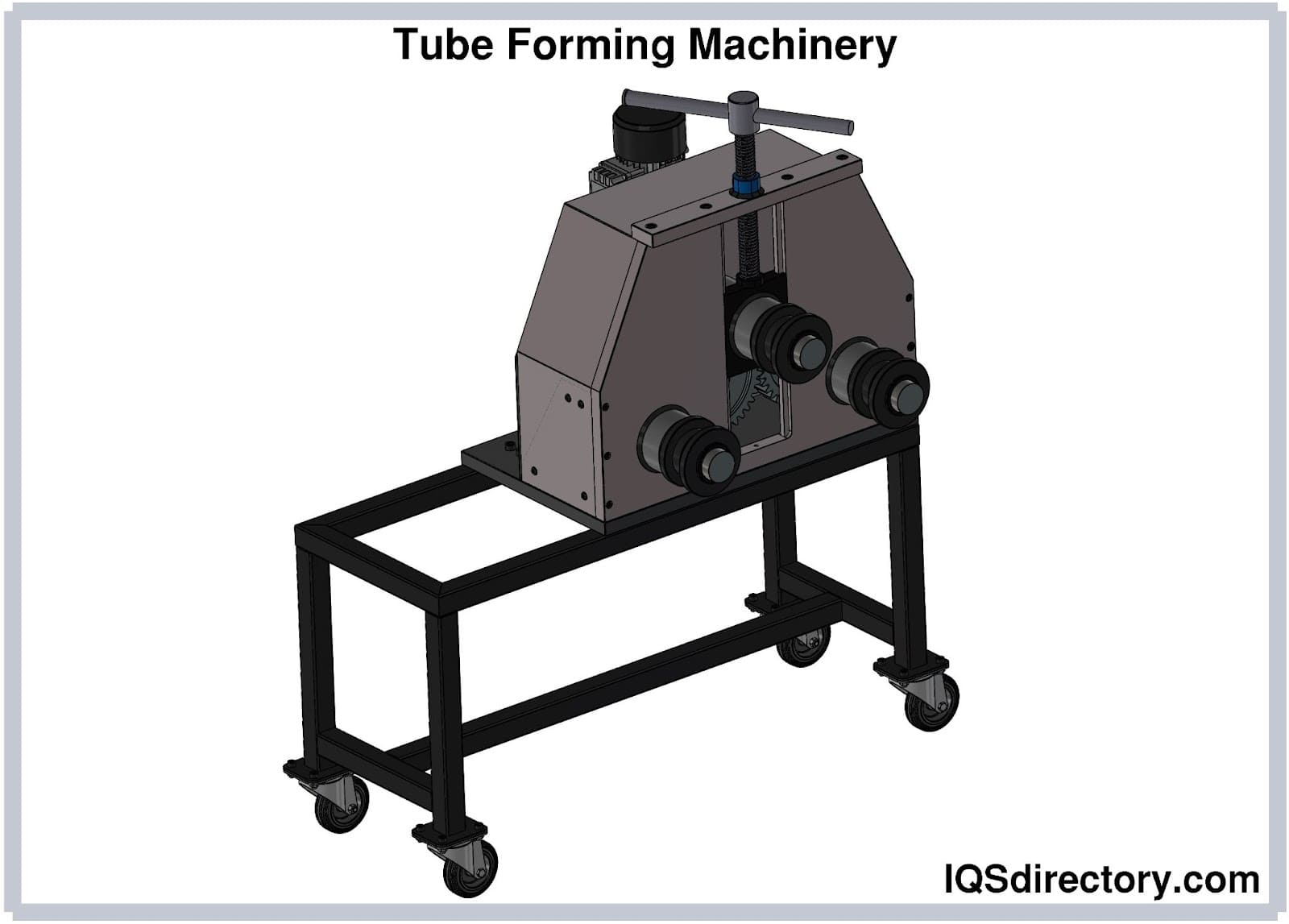
- Tube Bending Machines
- Pipe End Forming Machines
- Hydraulic Tube Processing Equipment
- CNC Tube Fabrication Systems
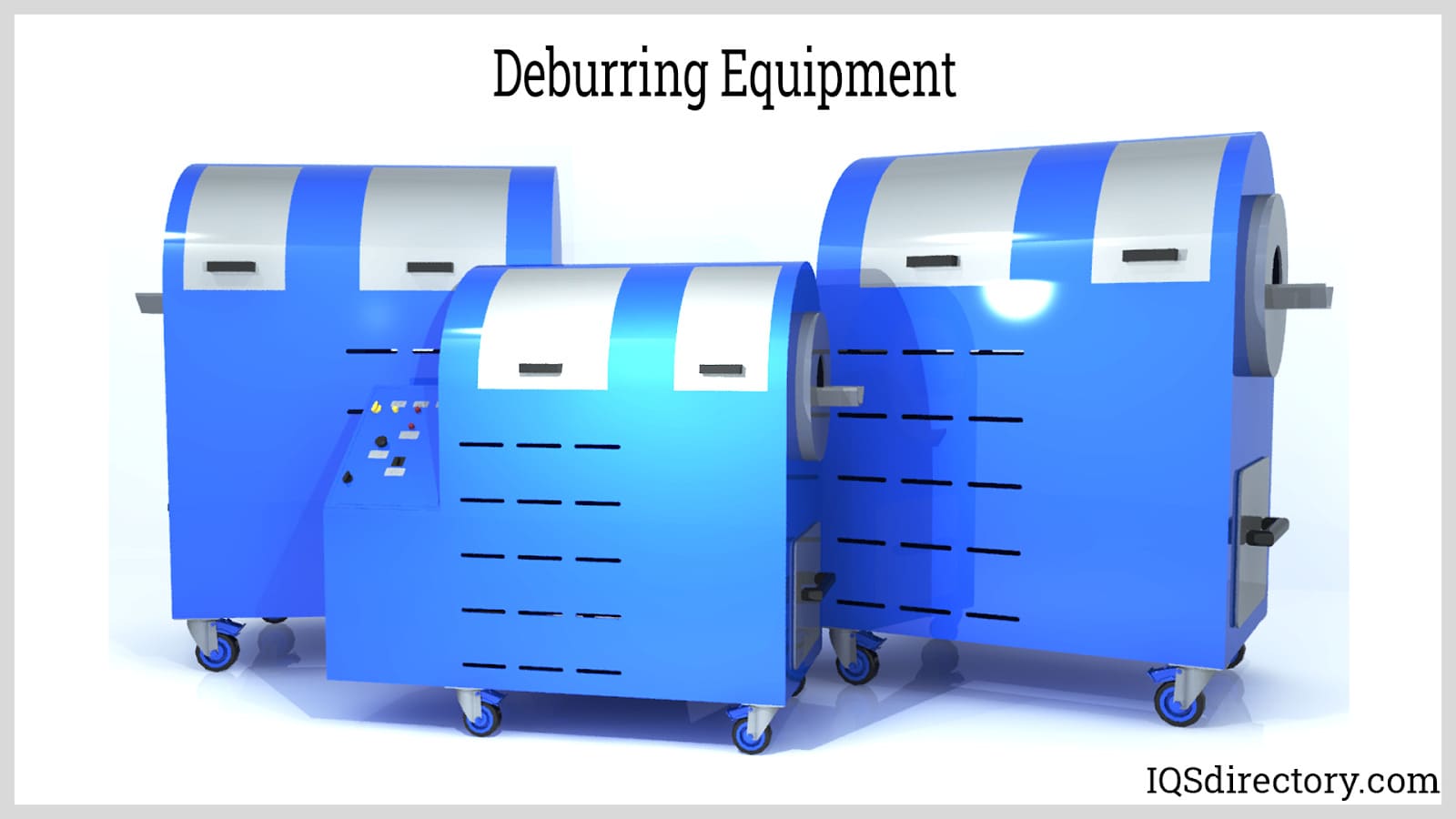
- Tube Cutting and Deburring Machinery
- Roll Forming Lines
Search Prompts: How Can We Help You?
- What is the best tube swaging machine for stainless steel tubing?
- How do I compare tube swaging machine manufacturers?
- What are common tube end forming processes?
- Which industries benefit most from tube swaging?
- How can I automate tube swaging operations for high-volume production?
- What safety standards apply to tube swaging machinery?
- How do I maintain and calibrate a tube swaging machine?
- What is the difference between rotary swaging and stationary die swaging?
- Which tube swaging process is most cost-effective for small-batch production?
- How can I reduce labor costs with automated tube swaging machines?
For more information about tube swaging machines, applications, and manufacturers, browse our in-depth guides, product reviews, and expert insights. Start your search here or reach out to our support team for personalized recommendations! Whether you’re interested in upgrading your tube fabrication line, improving production efficiency, or finding the best tube swaging machine pricing, we’re here to help you succeed in today’s competitive metalworking industry.
 Automation Equipment
 Car Wash Equipment
 Centrifuges
 Hydraulic Presses
 Lasers
 Machinery Rebuilders
 Paint Finishing Equipment
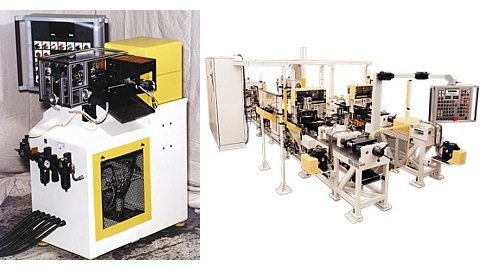 Tube Forming Machines
 Castings & Forgings
 Bulk Material Handling
 Electrical & Electronic Components
 Flow Instrumentation
 Hardware
 Material Handling Equipment
 Metal Cutting Services
 Metal Forming Services
 Metal Suppliers
 Motion Control Products
 Plant & Facility Equipment
 Plant & Facility Supplies
 Plastic Molding Processes
 Pumps & Valves
 Recycling Equipment
 Rubber Products & Services